












Rideshare4 min read

The checks passed. The driver was someone else

A Massachusetts man used stolen driver’s licenses and SSNs to open rideshare and delivery driver accounts. Every account passed the criminal, sex offender and driving record checks, because they were run on the real owners of those identities. He was sentenced to 70 months, and the sentence was upheld on appeal.

Based on reporting by the U.S. Department of Justice and the First Circuit. All sources

Share

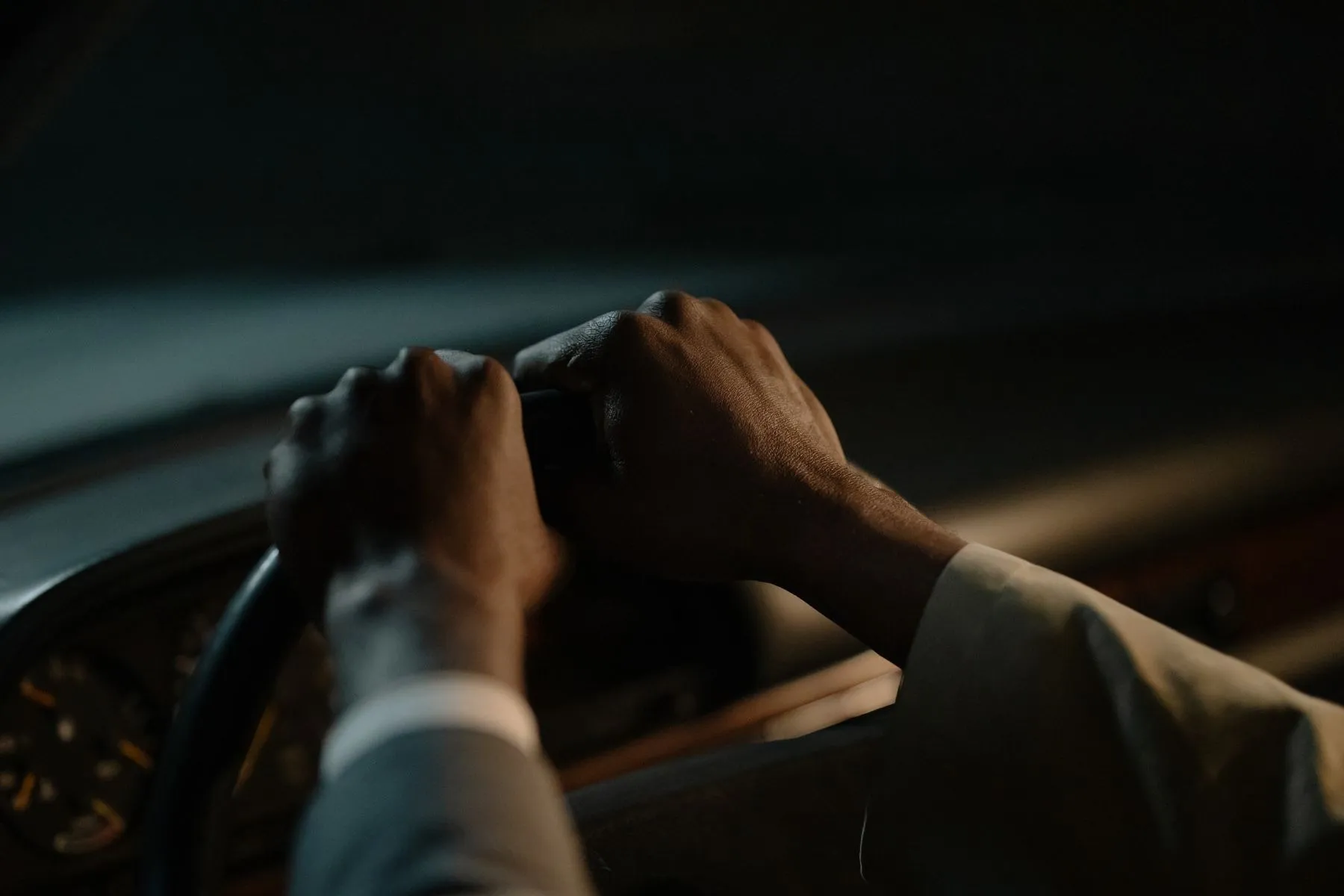
A driver’s hands on the steering wheel of a car at night
Illustrative photo: cottonbro studio / Pexels

Starting in 2019, a Massachusetts man bought stolen Massachusetts driver's licenses and Social Security numbers sold on the darknet. With them, he and others opened driver accounts on rideshare and food delivery apps. The accounts passed every background check the platforms and the state required: criminal history, sex offender registry and driving record.

According to prosecutors, the checks were run on the wrong people. According to the Justice Department, the accounts were then used or rented out to drivers who could not pass a background check themselves.

A background check describes the identity it is run on. Here, prosecutors said, that identity was stolen.

How the scheme worked

Thiago de Souza Prado used the accounts himself or rented them to other drivers. He collected referral bonuses by "referring" his own fake accounts as new drivers, and used a GPS spoofing app to create rides that never happened or to stretch real ones. Payments went to bank accounts opened in the names of identity theft victims.

In September 2023, a federal jury convicted him of conspiracy to commit wire fraud, wire fraud and aggravated identity theft. In December 2023, he was sentenced to 70 months in prison and fined $50,000. In July 2025, the First Circuit upheld the conviction and sentence.

From stolen licenses to the appeal

From stolen licenses to the appeal
  1. Stolen identities bought

    Massachusetts driver’s licenses and SSNs from the darknet are used to open driver accounts.

  2. Accounts rented out

    Drivers who could not pass a background check drive under other people’s names.

  3. Charged with 17 others

    A federal case covering rideshare and food delivery accounts nationwide.

  4. Jury verdict

    Convicted of wire fraud conspiracy, wire fraud and aggravated identity theft.

  5. 70-month sentence

    Plus three years of supervised release and a $50,000 fine.

  6. Appeal rejected

    The First Circuit affirms the conviction and the sentence.

3types of checks passed with stolen identities: criminal, sex offender registry and driving record

Three lessons for platforms

1. A clean report describes the identity, not the driver

Criminal searches, registry checks and the MVR all run on a name, a date of birth, an SSN and a license number. When those belong to a real person with a clean history, every report comes back clean. The question none of them answers is whether that person is the one who signed up.

2. Match the face to the license

The license in this case was real. A live selfie compared to the photo on that license is the step that connects the record to the person. Without it, the strongest check in the package can verify the wrong driver.

3. Who drives is a question after onboarding too

Renting out an approved account turns one clean onboarding into many unscreened drivers. Platforms need their own controls for who is using an account after approval. Background checks cover the person at onboarding; they do not see who logs in later.


The PROFID version

The same hire, run through PROFID today

Here is how the same driver sign-up runs through PROFID. It illustrates the workflow, not what any company or its vendor actually did.

  1. Package by role. Rideshare drivers get identity verification, an SSN trace, county, state and federal criminal searches, the sex offender registry and an MVR.
  2. Identity first. The driver photographs their license and takes a live selfie on their phone. If the face does not match the license photo, the check stops for review. A non-biometric route is available, and the platform receives the result, not the driver's biometric data.
  3. SSN trace. The trace shows the names and addresses linked to the SSN. A number tied to another name, or to addresses the driver never mentioned, goes to review.
  4. Driving record and criminal searches. These run only after identity is confirmed, so a clean result describes the person who will drive.
  5. The platform decides. Every flag goes to a person on the platform's team, and any adverse decision follows the FCRA notice steps.
  6. Monitoring after onboarding. With the driver's authorization, the monitoring add-on alerts the platform to new records and MVR updates. It checks records, not people's private lives.
The same driver sign-up in the PROFID dashboard: the driving record and criminal searches are clean, but the selfie does not match the license photo, so the account waits for review. Fictional person and platform.

Identity verification at sign-up does not stop an approved account from being shared. What it does is make sure the person who was screened is the person who signed up.

Questions employers ask

Can a background check catch a stolen identity?

A criminal search alone cannot. It reports on the identity it is given. Identity verification, comparing a live selfie to the photo on a government ID, and an SSN trace are the checks that test whether the person and the identity match.

Is selfie verification legal for drivers?

Facial comparison is widely used for gig and rideshare onboarding, but some states, such as Illinois, Texas and Washington, have biometric privacy laws that require notice and consent. Offer a non-biometric alternative and keep only the result.

Were the rideshare companies fined?

No. The sentence and the fine applied to the defendant. The Justice Department did not name the platforms.

How often should platforms recheck drivers?

Practices vary, and some states set their own rules for rideshare drivers. Many platforms rerun driving records and criminal checks on a schedule; continuous monitoring catches new records between those checks.

Verify drivers before the first ride

Compare gig platform packages with identity verification and MVR.

General information based on public records and reporting, not legal advice.

Sources

  1. U.S. Department of Justice: Revere man sentenced in nationwide rideshare and delivery account fraud scheme
  2. U.S. Court of Appeals for the First Circuit: United States v. De Souza Prado, No. 24-1011
  3. Bloomberg Law: Man convicted of wire fraud fails to toss 70-month sentence
  4. PROFID: Gig platform background check packages