






















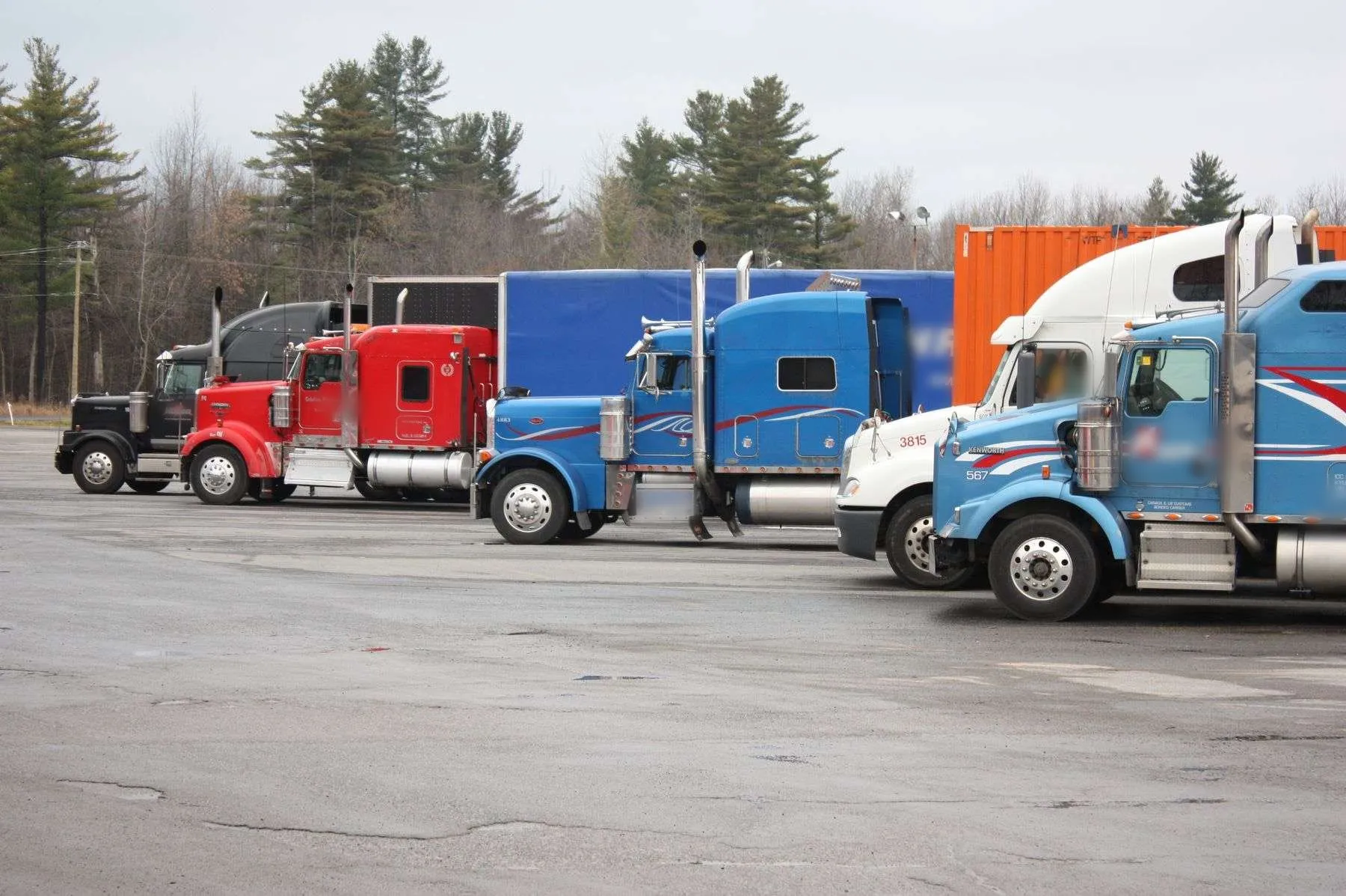
A truck driver was in training at J.B. Hunt when he was let go. According to his lawsuit, the background check behind the decision listed a felony charge that belonged to someone else, and he never got the chance to say so: he alleged that the company acted on the report without first sending him a copy of it or a summary of his rights. J.B. Hunt denied the claims.
He sued in 2022 on behalf of other applicants and employees. In 2025, J.B. Hunt agreed to a $5 million settlement covering about 14,900 people. The company denied wrongdoing and agreed to review its notice procedures.
He said the record wasn't his, and that nobody gave him the chance to say so before the decision.
What the lawsuit claimed
The Fair Credit Reporting Act requires an employer that plans to act on a background check to send the person a pre-adverse action notice first, with a copy of the report and the FCRA Summary of Rights. The person then has time to review the report and dispute anything that is wrong before the decision becomes final.
The lawsuit claimed J.B. Hunt took adverse action against applicants and employees from June 2020 to September 2024 without that step. For about 5,680 people in the class, according to the settlement, J.B. Hunt had no record of sending a pre-adverse notice.
From the application to the settlement
- Class period begins
Applicants and employees subject to adverse action based on a background check.
- Lawsuit filed
A driver says he was let go during training and that his report listed a felony charge belonging to someone else.
- Class period ends
About 14,915 people in the class, 5,681 with no record of any pre-adverse notice.
- Settlement approved
Preliminary approval of a $5 million settlement. J.B. Hunt denies wrongdoing and agrees to review its notice procedures.
- Final approval hearing
The court scheduled the final approval hearing for November 20, 2025.
$5Msettlement over notices the lawsuit said should have gone out before each decision
Three lessons for employers
1. The notice is not paperwork. It is the error check
Background reports can attach a record to the wrong person, especially with common names. The pre-adverse notice is how the candidate finds out and fixes it before you lose a good hire and gain a lawsuit.
2. Every adverse decision needs the same steps
The class covered more than four years. A process that works for most hires but skips the notice when a recruiter is busy creates a class of people who never got it.
3. Small statutory damages add up
For willful violations, the FCRA allows statutory damages per person, without proof of actual harm. Multiplied across thousands of applicants, a missing letter becomes a seven-figure settlement.