














Healthcare4 min read

Five real nurses, five stolen licenses: the staffing agency that sent impostors to care homes

A Kent, Washington staffing company sent unqualified workers to care homes under the identities of five licensed nurses. Some could not take a blood pressure; some gave the wrong medication. In 2026 the owner was sentenced to 173 months. Every license was real. None belonged to the person on shift.

Based on reporting by the Washington Attorney General and KIRO 7. All sources

Share

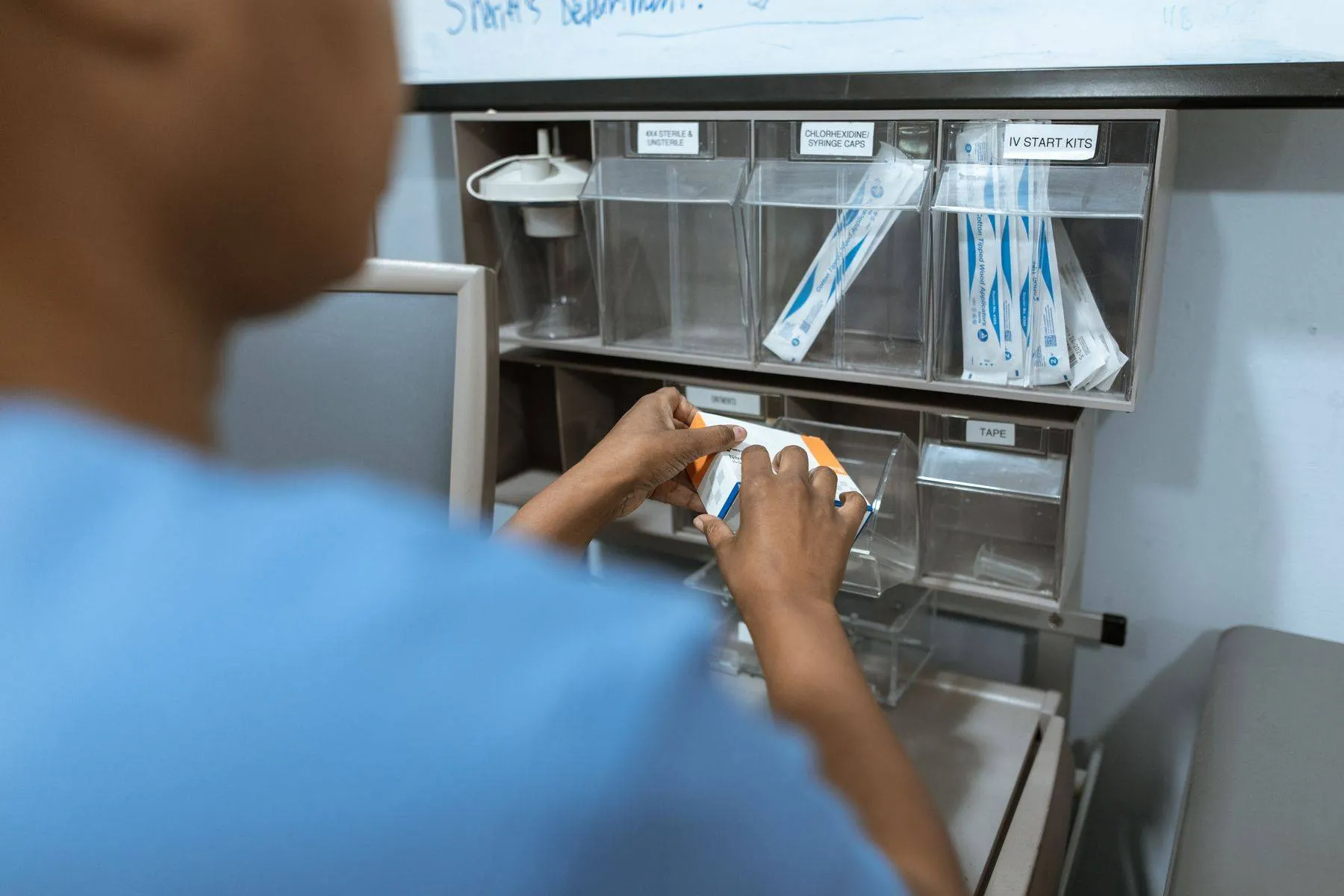
A nurse in blue scrubs takes supplies from a wall of storage bins in a care facility
Illustrative photo: RDNE Stock project / Pexels

For more than two years, a staffing company in Kent, Washington, filled nursing shifts at long-term care facilities across the state. The facilities believed they were getting licensed nurses. The licenses were real. The people wearing the badges were not the nurses who held them.

From May 2017 to October 2019, Heritage Medical Staffing, later renamed Pro Med Alliance Medical Staffing, placed unqualified workers under the identities of five real Washington nurses. According to the Washington Attorney General, some of them did not know how to take a blood pressure, and some gave residents the wrong medication.

Every license was real. None of them belonged to the person on shift.

How the scheme worked

The company used the names, license numbers and personal details of five licensed nurses. Fake IDs were made for the workers it sent out. The care homes, in Yakima, Bothell, Redmond, Shoreline, Vashon Island, North Bend and elsewhere, paid for licensed nursing care. The Attorney General's Medicaid fraud division brought the case.

In May 2026, a jury convicted the owner, David Mungai Njenga, on all 11 counts, including leading organized crime and identity theft. It was the first Medicaid fraud trial in Washington history with a leading organized crime charge. In June 2026, he was sentenced to 173 months in prison, followed by 18 months of community custody. The state also won default judgments of $40,500 against each of his two companies. Restitution will be set at a later hearing.

From the first shift to the sentence

From the first shift to the sentence
  1. The placements start

    Unqualified workers begin taking nursing shifts at long-term care facilities under five real nurses’ identities.

  2. The scheme ends

    More than two years of shifts across Washington, from Yakima to Vashon Island.

  3. Guilty on all 11 counts

    Including leading organized crime, a first in a Washington Medicaid fraud trial.

  4. 173-month sentence

    Plus 18 months of community custody and $40,500 judgments against each of the two companies.

  5. Restitution hearing

    At sentencing in June, the court left restitution for a later hearing.

5real nurses whose licenses were used by people who were not nurses

Three lessons for employers

1. A license lookup checks the license, not the person

State license lookups confirm that a license number is active and belongs to a named nurse. They cannot tell you whether that nurse is the person standing in the hallway. The license check needs an identity check next to it.

2. Staffing agencies and the facilities they serve share the risk

A care home that takes agency staff relies on the agency's screening. Ask agencies what they verify, how they confirm the worker is the license holder, and whether you can see the result for each person sent to you.

3. Real credentials make the best cover

Every name in this case belonged to a real, qualified nurse. That is why it worked for more than two years. Fraud built on real credentials only shows up when someone compares the credential with the person.

The PROFID version

The same hire, run through PROFID today

Here is how the same nurse placement runs through PROFID, whether the agency screens its own workers or the facility screens the people it receives. It illustrates the workflow, not what any company or its vendor actually did.

  1. Package by role. Nurses get identity verification, an SSN trace, county, state and federal criminal searches, professional license verification and employment and education verification.
  2. Identity first. The worker photographs a government ID and takes a live selfie on their phone. If the face does not match the ID photo, the check stops for review. A non-biometric route is available, and the employer receives the result, not the worker's biometric data.
  3. License tied to the person. The license check runs on the verified identity. If the license on the application is registered to someone else, it goes to review.
  4. Criminal searches. County, state and federal searches run on the verified identity, not on the name printed on the badge.
  5. Education and employment. PROFID confirms the nursing school and previous employers on the application.
  6. The employer decides. Every flag goes to a person at the agency or facility, and any adverse decision follows the FCRA notice steps.
The same nurse placement in the PROFID dashboard: the license is active, but it is registered to someone else and the selfie does not match the ID photo. The shift waits for review. Fictional person and agency.

The gap in this case was between the license and the person. That is the gap identity verification closes.

Questions employers ask

Is checking a nursing license online enough?

It confirms the license is valid and who holds it. It does not confirm that the worker in front of you is that person. Pair it with identity verification.

Who is responsible when a staffing agency sends an unqualified worker?

It depends on the contract and the facts. In this case, the owner was convicted and both companies faced judgments. Facilities can still face scrutiny for the care residents receive, so many require agencies to show their screening.

Can a staffing agency share background check results with a client?

Only within the limits of the worker's authorization and the FCRA. Many agencies share a pass or review status rather than the full report.

Is selfie verification legal for healthcare workers?

Facial comparison is widely used, but some states, such as Illinois, Texas and Washington, have biometric privacy laws that require notice and consent. Offer a non-biometric alternative and keep only the result.

Verify every placement before the first shift

Compare staffing packages with identity and license verification.

General information based on public records and reporting, not legal advice. The person named was convicted; the nurses whose identities were used and the residents are not named.

Sources

  1. Washington Attorney General: Conviction on all counts in Medicaid fraud trial
  2. KIRO 7: Fake nurses, stolen identities: Kent man sentenced to 14 years
  3. PROFID: Staffing background check packages